
Exploring the Advantages of Seamless Steel Pipes in Construction
2025-12-03


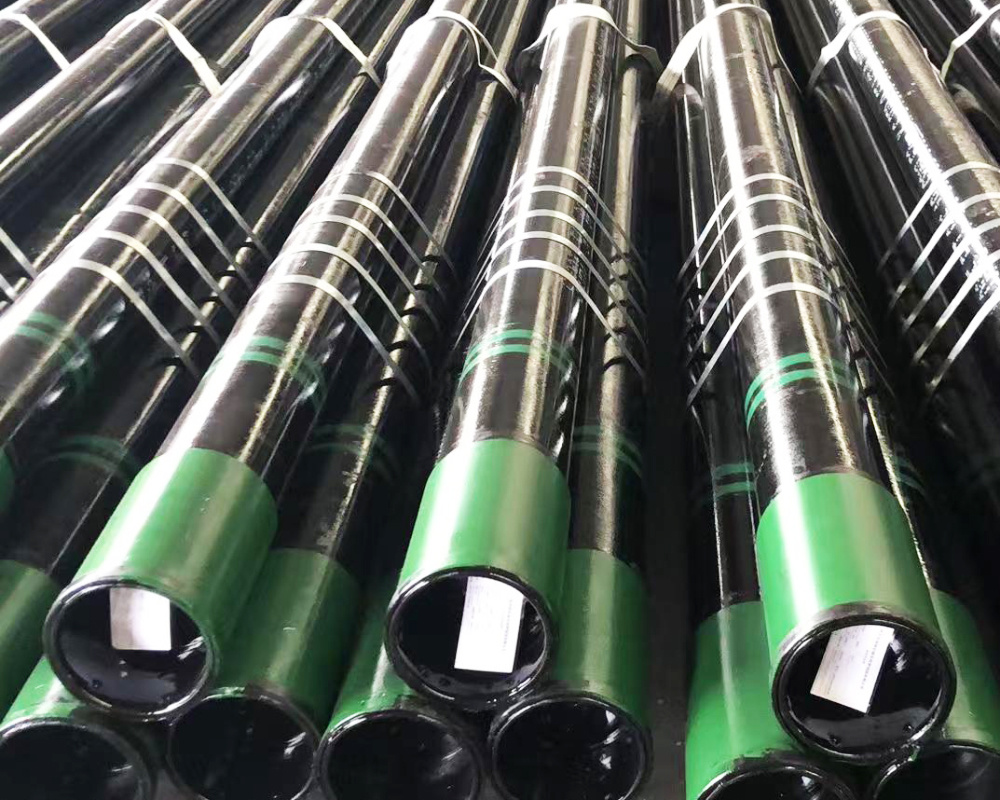
One of the prominent advantages of seamless steel pipes is their high resistance to pressure. This characteristic makes them ideal for high-stress applications, such as in the oil and gas industry, as well as in structural support for buildings. The absence of seams reduces the risk of failure under pressure, providing peace of mind to engineers and architects when integrating these pipes into their designs.
Seamless steel pipes also exhibit excellent corrosion resistance. Depending on the specific alloy used, these pipes can withstand harsh environmental conditions, making them suitable for outdoor construction and industrial applications. This quality is especially beneficial in areas where moisture and chemicals are prevalent, ensuring longevity and reducing maintenance costs over time.
Another important property of seamless steel pipes is their adaptability. They can be easily customized in terms of length, diameter, and wall thickness to meet the specific requirements of any project. This versatility enables contractors to use seamless pipes in various applications, from residential plumbing systems to large-scale infrastructure projects.
Moreover, seamless steel pipes are known for their smooth internal and external surfaces. This feature not only enhances their aesthetic appeal but can also improve fluid flow in applications like water supply systems. The smoothness reduces turbulence and minimizes friction, which can lead to more efficient operation.
In terms of sustainability, seamless steel pipes often have a lower carbon footprint compared to their welded counterparts. The production process tends to be more energy-efficient, and since they are recyclable, they contribute to environmentally friendly building practices.
In summary, seamless steel pipes offer a range of benefits that make them a superior choice in construction applications. Their strength, corrosion resistance, and adaptability are vital for ensuring the success of numerous projects. Whether for structural use or fluid transport, the advantages provided by seamless steel pipes make them a valuable asset in the building materials industry. By choosing seamless pipes, construction professionals can ensure they are making a smart investment in quality and performance.
TAG:
Previous:
Related Posts

Exploring the Advantages of Seamless Steel Pipes in Construction
MESSAGES
We will contact you within one working day. Please pay attention to your email.

Xindian Town, Cangzhou City, Hebei Province, China.
COOKIES
Our website uses cookies and similar technologies to personalize the advertising shown to you and to help you get the best experience on our website. For more information, see our Privacy & Cookie Policy
COOKIES
Our website uses cookies and similar technologies to personalize the advertising shown to you and to help you get the best experience on our website. For more information, see our Privacy & Cookie Policy
These cookies are necessary for basic functions such as payment. Standard cookies cannot be turned off and do not store any of your information.
These cookies collect information, such as how many people are using our site or which pages are popular, to help us improve the customer experience. Turning these cookies off will mean we can't collect information to improve your experience.
These cookies enable the website to provide enhanced functionality and personalization. They may be set by us or by third-party providers whose services we have added to our pages. If you do not allow these cookies, some or all of these services may not function properly.
These cookies help us understand what you are interested in so that we can show you relevant advertising on other websites. Turning these cookies off will mean we are unable to show you any personalized advertising.